

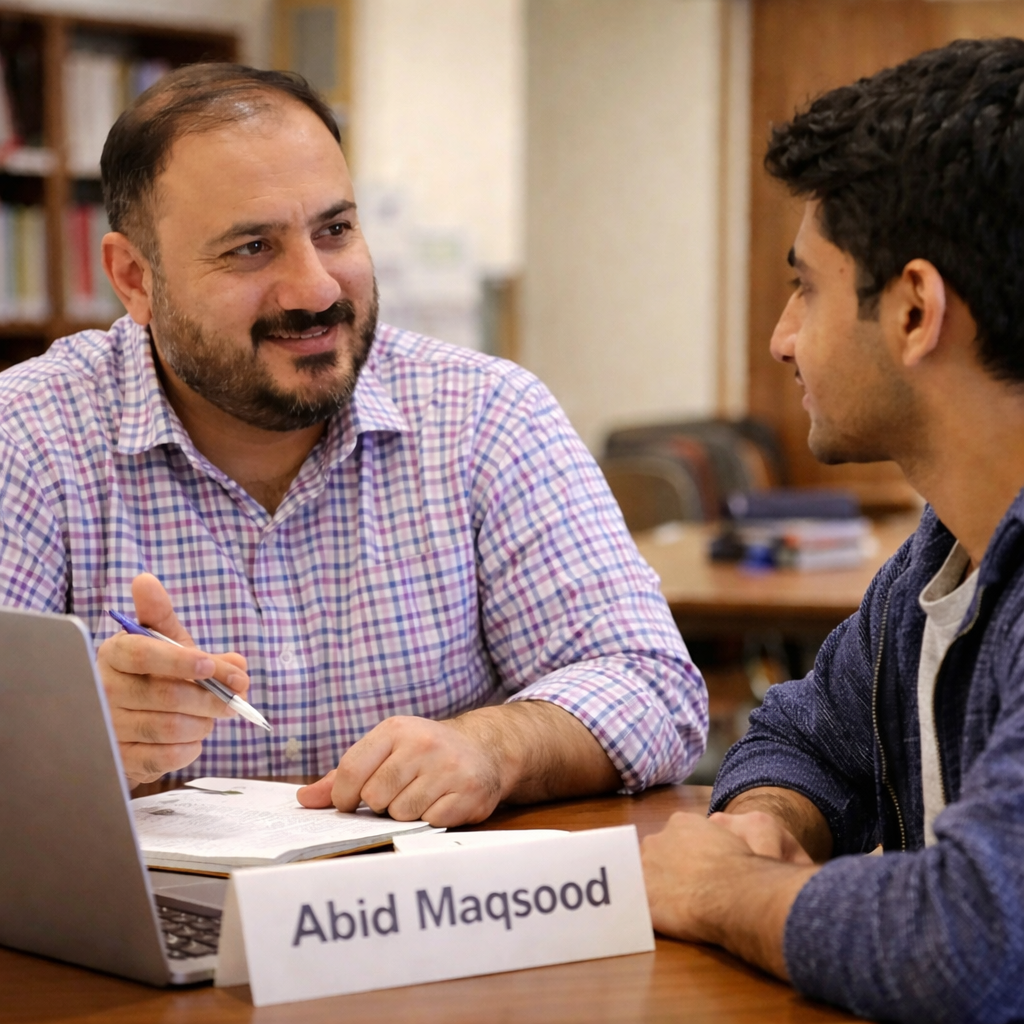
Training and evaluation are essential parts of any learning program. They ensure that participants gain the right knowledge and skills, and that the training delivers measurable results.
Introduction
Training focuses on developing the knowledge, skills, and abilities of learners. Evaluation measures how effective that training has been. Together, they help improve performance and ensure continuous growth.
Objectives
By the end of this training, learners will be able to understand the purpose of training programs, apply effective learning strategies, evaluate performance outcomes, and improve future training processes.
Importance of Training
Training helps individuals build new skills and improve existing ones. It increases confidence, enhances productivity, and prepares learners to handle real-world challenges. For organizations, it ensures a skilled and competent workforce.
Types of Training
Onboarding training helps new learners understand basic concepts and processes. Skill-based training focuses on developing specific abilities. Soft skills training improves communication, teamwork, and problem-solving. Technical training provides knowledge related to tools, systems, or software.
Training Methods
Instructor-led training involves direct teaching by a trainer. Online learning allows flexible and self-paced education. Practical training focuses on hands-on experience. Group discussions encourage collaboration and idea sharing.
Understanding Evaluation
Evaluation is the process of assessing how well the training objectives have been achieved. It helps identify strengths and areas for improvement. Evaluation ensures that the training is effective and relevant.
Types of Evaluation
Formative evaluation takes place during the training to monitor progress. Summative evaluation occurs at the end to measure overall performance. Feedback-based evaluation gathers input from learners to improve future sessions.
Evaluation Methods
Quizzes and tests measure knowledge retention. Assignments and projects assess practical understanding. Observations help evaluate real-time performance. Surveys and feedback forms provide insights into learner experience.
Key Performance Indicators
Performance can be measured through completion rates, test scores, participation levels, and practical application of skills. These indicators help track success and improvement.
Improving Training Effectiveness
Regular updates to training content keep it relevant. Using interactive methods increases engagement. Providing feedback helps learners grow. Continuous evaluation ensures better outcomes over time.
Conclusion
Training and evaluation work together to create a strong learning system. Effective training builds skills, while proper evaluation ensures those skills are successfully applied. Continuous improvement in both areas leads to better learning experiences and long-term success.